
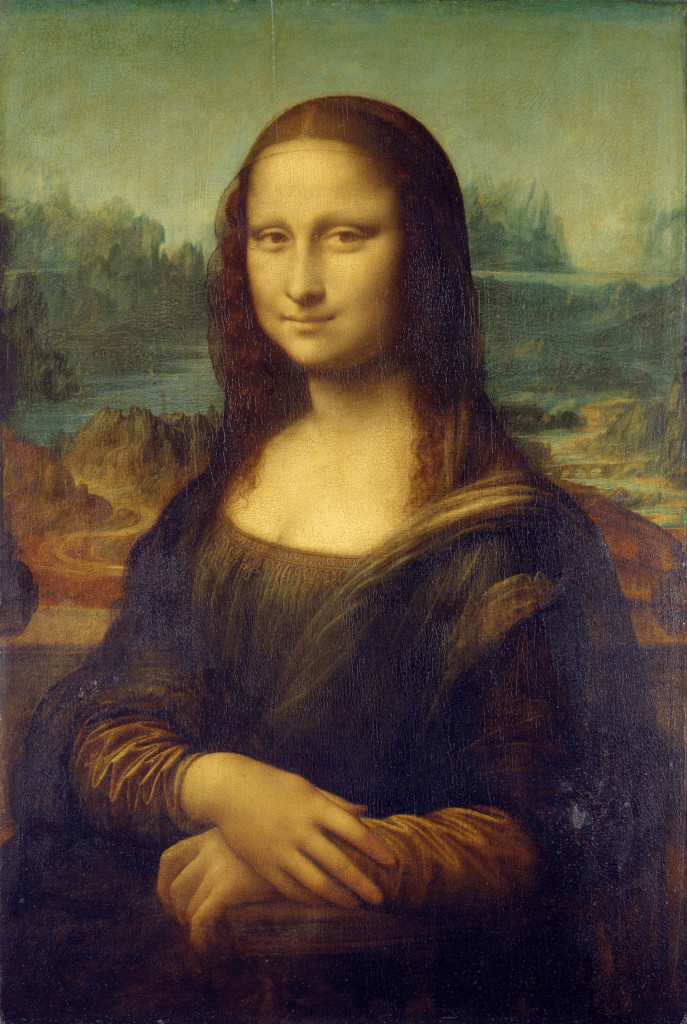
When we look at artworks, we often focus only on the image before us. But behind every painting, sculpture, or drawing lies a set of unique techniques and materials chosen by the artist. These techniques shape the emotions, stories, and mastery embedded in the piece. Discovering the secrets behind these methods offers a richer experience of art’s magic.
Take, for example, Leonardo da Vinci’s “sfumato” technique—a delicate blending of colors and tones that creates soft transitions. This method gives his works realistic depth and subtle facial expressions. On the other hand, Vincent van Gogh’s thick, dynamic brushstrokes in his post-impressionist paintings convey intense energy and emotion. Different techniques reflect an artist’s worldview and the spirit of their time.
Materials also play a crucial role. Oil paint allows for a wide color range and slow working time, while acrylics dry quickly and produce vibrant hues. Sculptors choose materials like bronze, marble, or wood not only for durability but to add layers of meaning and aesthetics to their work.
Understanding the artist’s toolbox deepens our connection to art. It’s not just about seeing a piece but knowing how it was made that guides us through art’s complex layers. Every brushstroke, color choice, and material enriches the story the artwork tells.
If you want to deepen your journey in the art world, start by learning about the techniques behind the masterpieces. This knowledge will not only enhance your appreciation but can also inspire your own creativity.
 artfullifejourney.art.blog
Leave a comment